14 October 2026
Why a Professional Mold Inspection Detroit Homeowners Should Take Seriously
Presented by @moldinspectiondetroitlab
Living in Detroit means dealing with older homes, fluctuating temperatures, and a lot of wet weather. If you have ever walked into a basement after a heavy rain and smelled that musty, earthy odor, you know exactly what I am talking about. That smell is often the first warning sign of a moisture problem that can turn into a full-blown mold issue. And here is the thing: mold is not just an eyesore. It can affect your health, your property value, and your peace of mind. That is why a thorough mold inspection Detroit property owners invest in is not just a good idea; it is a necessary step in protecting your home.
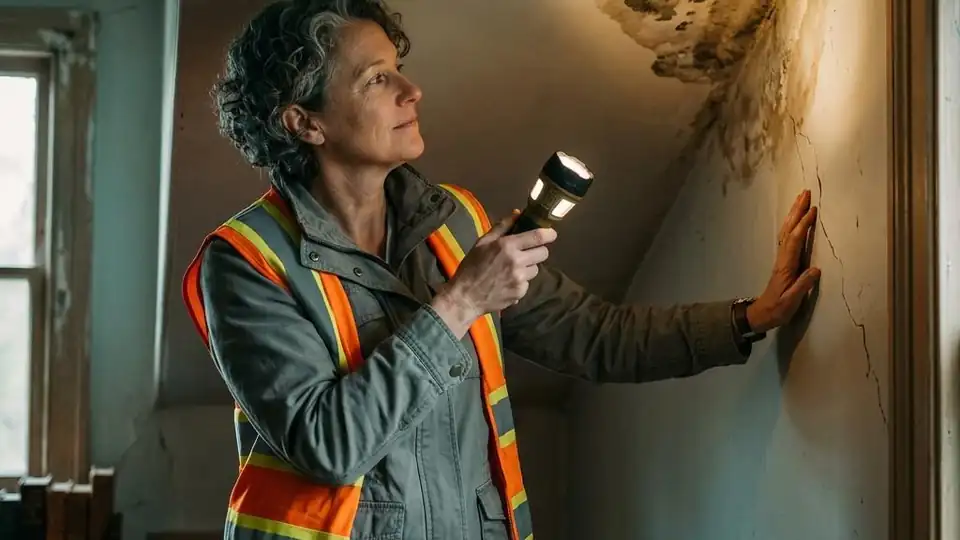
I have spent years working with homeowners in this region, and I can tell you that the difference between a minor leak and a structural nightmare often comes down to catching the problem early. A proper mold inspection Detroit involves more than just poking your head into a crawlspace with a flashlight. It is a systematic process that combines visual checks, moisture measurements, and air sampling to find hidden problems before they get out of hand.
What a Mold Inspection Actually Looks Like
A good inspector does not just walk through the house and nod. They come prepared. They will use a moisture meter to test drywall, wood, and flooring for elevated moisture levels. They might take air samples with a spore trap to measure the concentration of mold spores in the indoor air compared to the outside. They will check the HVAC system for condensation or microbial growth, because that can spread spores through the whole house. They will also look at the foundation for cracks, signs of basement flooding, or poor drainage that keeps water against the walls.
If the home has a crawlspace, that is a prime spot for hidden moisture. Crawlspaces are often unventilated and prone to humidity buildup. A good inspector will squeeze in there, check for standing water, and test for mold on the joists and insulation. They will also look at the attic for roof leaks and poor ventilation. Each of these areas tells a story about how water is moving through the building.
Why DIY Is Not Enough
I have seen homeowners try to handle mold themselves. They buy a spray bottle, scrub a patch of black mold off the bathroom ceiling, and call it done. But surface cleaning does not fix the underlying moisture problem, and it does not tell you if mold is growing inside the walls or under the flooring. Mold can be hidden behind wallpaper, inside ductwork, or under the carpet. You cannot see it, but your body might still react to it.

Without the right tools, you cannot measure what you cannot see. A moisture meter gives you a number, not a guess. A spore trap gives you data about the air you are breathing. An inspector who has a mold remediation certification knows how to interpret those numbers and tell you what they mean for your specific situation. They can also spot conditions that lead to mold, like a humidistat that is set too high or a dehumidifier that is undersized for the space.
Health Risks Are Real
Mold is not just a cosmetic problem. For people with respiratory issues, mold can be a serious trigger. Asthma triggers like mold spores can make it hard to breathe, especially for children and older adults. The EPA has documented that indoor mold exposure is linked to coughing, wheezing, and even the development of asthma in some individuals. If you have family members who are sensitive to allergens, you cannot afford to ignore the signs.
Black mold is the type that gets the most attention, but other species can be just as problematic. Some produce mycotoxins that can cause neurological symptoms in susceptible people. That does not mean every speck of mold will make you sick, but it does mean you should take it seriously. A professional inspection will identify the species present and give you a clearer picture of the risk.
Connecting the Dots: Moisture, Weather, and Your Home
Michigan has a climate that tests buildings hard. Summer humidity pushes moisture into basements and crawlspaces. Winter freezes and thaws can crack foundations. Heavy rain events are becoming more common, and that puts pressure on drainage systems. If your home has ever had basement flooding, even a single event can leave behind enough moisture to support mold growth for months or years.
Foundation waterproofing is a key part of keeping moisture out. But it is not a one-time fix. Seals degrade, cracks develop, and gutters clog. A property inspection that focuses on moisture should include an evaluation of the exterior as well. Downspouts should direct water away from the foundation. The grade around the house should slope away, not toward, the walls. If water is pooling near the foundation, that is a problem waiting to happen.
FEMA guidelines for flood recovery emphasize that mold can start growing within 24 to 48 hours after water intrusion. That is a short window. If you have had a flood, you need to act fast. But even a slow, persistent leak from a pipe or a roof can create the same conditions over time. Mold does not care whether the water came from a storm or a broken pipe; it just needs moisture and a food source.
The Tools and Standards That Matter
A serious inspector will use tools that give objective data, not just subjective impressions. A moisture meter is essential. It can detect water trapped inside materials that look dry on the surface. A hygrometer measures relative humidity in the air. A humidistat can help you manage indoor humidity levels, but you need to know what the current conditions are before you can set it correctly.

HEPA vacuum is another piece of equipment that matters, but not for the inspection itself. After an inspection, if the inspector disturbs mold spores, a HEPA vacuum can clean up the debris without spreading it through the air. A good inspector will also use protective gear and containment measures to avoid cross-contamination.
Some inspectors follow protocols developed by the EPA or standards used in LEED projects. LEED certification for buildings includes indoor air quality (IAQ) requirements, and mold prevention is part of that. Even if your home is not pursuing LEED certification, the same principles apply. Good IAQ starts with keeping the building dry and the air clean.
What Happens After the Inspection
After a mold inspection Detroit homeowner receives the report, the next step is remediation. The report should tell you what was found, where it was found, and what is likely causing it. It should also give you a priority list. Some issues are urgent, like active mold growth in an HVAC system that is blowing spores through the house. Others are less critical, like surface mold on a shower wall that just needs better ventilation.
Remediation is not the same as cleaning. It involves removing the mold safely, fixing the moisture source, and restoring the area. In some cases, that means cutting out and replacing drywall or insulation. In others, it means installing a dehumidifier or improving drainage. A contractor with a mold remediation certification will know how to do this without spreading spores to other parts of the house.
One thing I always tell homeowners: do not rush into remediation without understanding the root cause. If you fix the mold but not the leak, the mold will come back. That is why the inspection is so valuable. It gives you a complete picture so you can fix the problem, not just the symptom.
Practical Advice for Detroit Homeowners
If you are thinking about getting an inspection, here are a few things to keep in mind. First, look for an inspector who has experience with the types of buildings common in Detroit. Older homes have different issues than new construction. Brick foundations, plaster walls, and knob-and-tube wiring all present unique challenges. Second, ask if they use a moisture meter and a spore trap. Those are signs of a thorough approach. Third, get a written report that includes photos and measurements. A verbal summary is not enough to make informed decisions.
Also, consider the timing. Summer humidity is the worst time for mold growth, but it is also a good time to catch problems because conditions are at their peak. Fall and spring are also good because temperatures are moderate and you can inspect both heating and cooling systems. Winter inspections can be done, but frozen ground and snow cover can hide some exterior drainage issues.
Finally, do not wait until you see visible mold. If you smell something, if you have had a leak, or if you just bought an older home, schedule an inspection. It is one of the most cost-effective things you can do to protect your investment and your health.
Key Takeaway
Mold is a fact of life in humid climates, but it does not have to take over your home. A professional mold inspection Detroit homeowners trust will find problems early, give you a clear plan, and save you money in the long run. Do not rely on guesswork. Use the right tools, get the right data, and fix the moisture for good.